MADYCENTER.IT
≡
Ale
Plectra
Centre Channel Speakers
Loudspeakers
Danish Composers
Music to the Bournonville Ballets: Le Conservatoire
Music to the Bournonville Ballets: Le Conservatoire
$18
$23.22
H.S. Paulli Le Conservatoire, or a Newspaper courtship Act 1 1. Introduzione 2. No. 1 No. 2 – Entrée des Élèves 3. No. 3 – Pas d’Ecole with variations 4. Children’s steps – 4 Gentlemen – Children’s steps 5. Pas de six with soli & ensemble 6. No. 4 7. Pas de trois – Andante sostenuto 8. Rondo con spirito 9. No. 5 10. No. 6 – Finale Act. 2 11. No. 7 12. No. 8 13. No. 9 14. 15. No. 10 16. Chopin: Grande Valse Brillante 17. Violin Solo 18. No. 11 19. No. 12 Finale (Galop by H.C. Lumbye) CD 2 H.S. Paulli The Kermesse in Bruges, or The Three Gifts Act 1 1. No. 1 – Introduction 2. No. 2 – Slovanka 3. No. 2b – Pas de deux 4. 1st Lady’s solo 5. 1st Gentleman’s solo 6. 2nd Lady’s solo 7. Coda 8. No. 3 – The Great Round-Dance 9. No. 4 – The Mountebanks 10. 11. No. 5 12. No. 6 Act 2 13. No. 7 14. First Forced Dance 15. No. 8 16. No. 10 17. 18. No. 12a 19. No. 12b – Divertissement 20. Pas de deux 21. 1st Lady’s solo 22. 1st Gentleman’s solo 23. Six Ladies 24. 2nd Lady’s solo 25. 2nd Gentleman’s solo 26. Coda – A la Polacca 27. No. 13 28. No. 14 29. No. 15 30. No. 16 31. No. 17 32. 33. Second Forced Dance – Finale August Bournonville 1805-1879 © In 1829 Bournonville chose to leave Paris. He gave a hugely successful guest performance at the Royal Theatre in Copenhagen, where he also made his debut as a choreographer with Homage to the Graces and published his first book, “A New Year’s Gift for Lovers of the Dance”. After various negotiations Bournonville signed an 18-year contract with the Royal Theatre, and until his departure as a solo dancer in 1848 he delighted the Copenhagen audiences with his virtuoso dancing and expressive miming as well as a series of significant choreographic works including ballets, forgotten today, such as Faust (1832), Valdemar (1835), The Festival in Albano (1839), The Toreador (1840), Bellman (1844), works implying that in the period the dance was regarded as an art that could adequately express both psychological states and dramatic struggles. As a dancer, Bournonville brought a new style back from Paris, and as a ballet master he brought the ballet up to date by introducing the Romantic currents of thought that prevailed in poetry and the visual arts. As the most Europeanoriented personality in Danish theatre at the time, he introduced the Danish public to what he had seen and continued to see on the European stages. He found his dramatic sources in Adam Oehlenschläger’s great Norse tragedies, B.S. Ingemann’s historical novels and the ‘vaudeville’ introduced by Johan Ludvig Heiberg. The ‘sculptural’ ideal, which was of course based on the French school in which Bournonville had trained, also reflects the aesthetic ideals we find in the sculptor Thorvaldsen’s works. The depiction of the movements and beauty of the body are in this connection subjected to a classical idea of harmony. Common to Thorvaldsen and Bournonville is the idea that no line should lead to nothing, no movement should be pointless. RELEASE DATE: SEPTEMBER 2011 CATALOGUE NUMBER: DACOCD 634-635 EAN: 5709499634356 Download BOOKLET (PDF) Related
Danish Composers
Danish Composers
Emil Reesen as Conductor
$21.88
$30.41
Piano Works by Louis Glass, Vol. 1
$31.55
$53
Thomas Jensen Legacy, Vol. 16
$11.5
$20.82
For All Ages
$20.11
$38.01
Anders Koppel: Chamber Music
$12.98
$25.44
J.P.E. Hartmann: Piano Works, Vol. 4
$13.96
$27.5
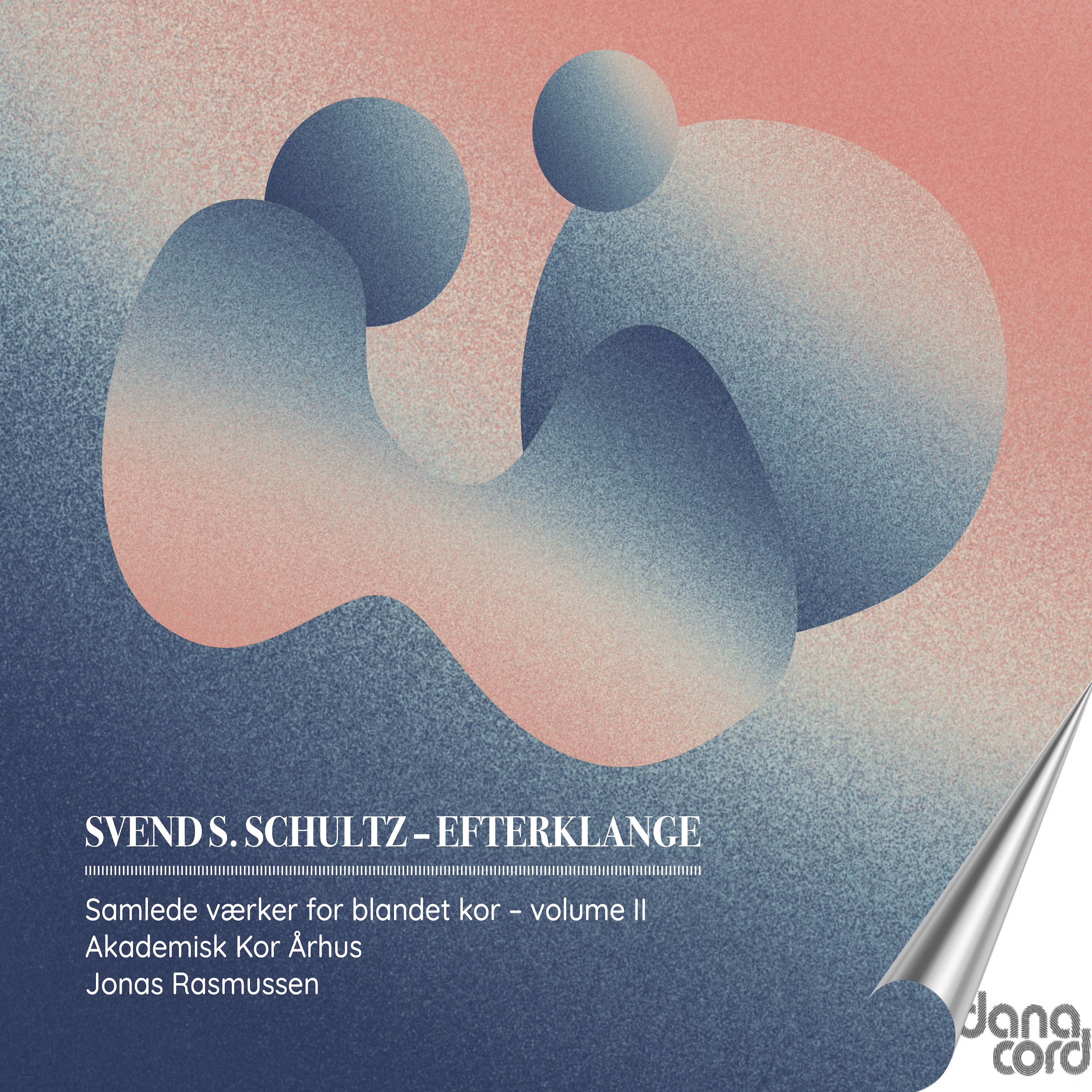
Efterklange Vol. 2 – Works by Svend S. Schultz
$27.6
$54.92
Thomas Jensen Legacy, Vol. 20
$15.82
$28.16
The Great Organ of Aarhus Cathedral
$18
$23.94
J.P.E. Hartmann: Piano Works, Vol. 5
$27.17
$39.67
Efterklange Vol. 1 – Works by Svend S. Schultz
$34.22
$63.65
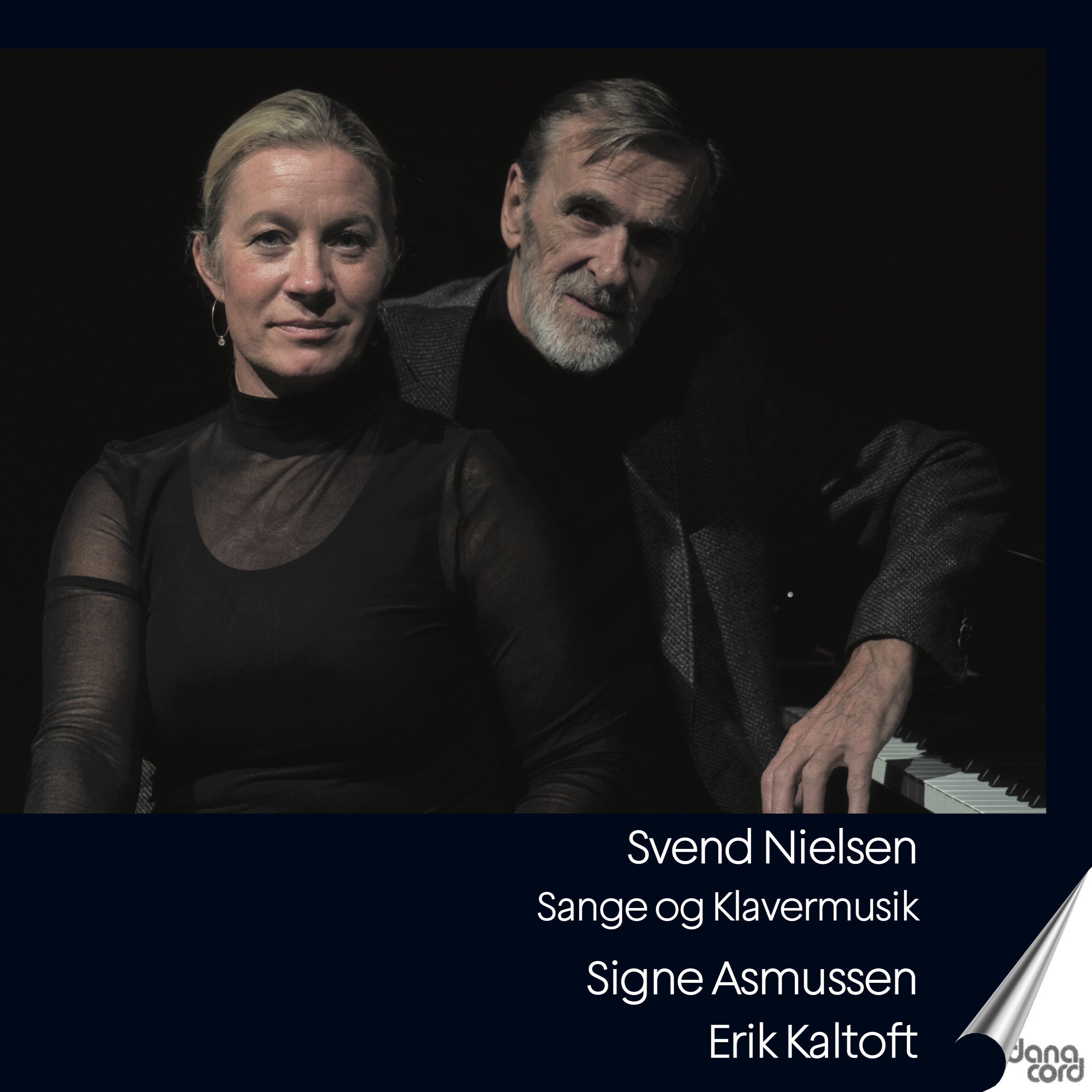
Songs and Piano Music by Svend Nielsen
$25.56
$31.95
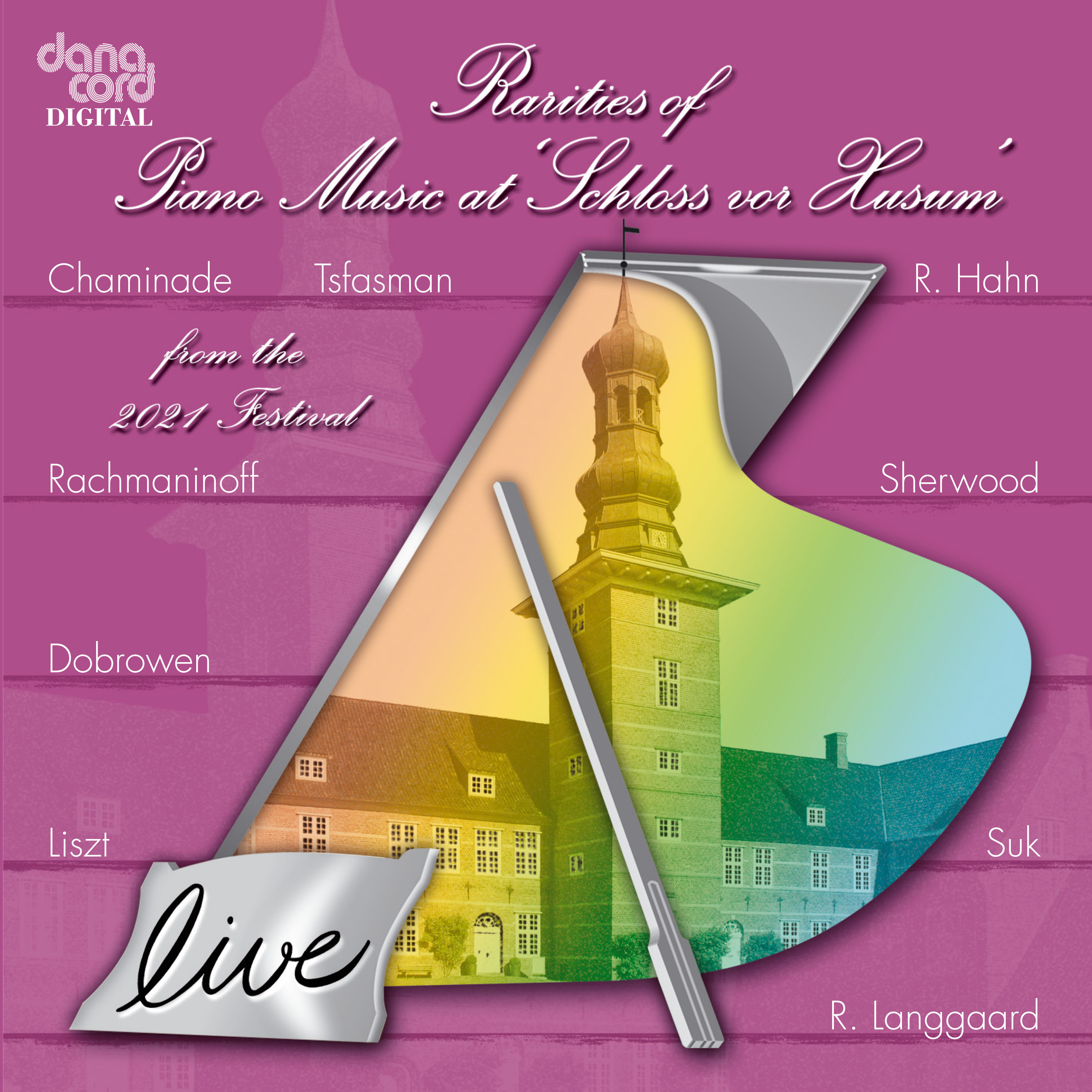
Rarieties of Piano Music at “Schloss vor Husum” from the 2021 Festival
$34.47
$61.01
The Forgotten Danish Pianist Arne Skjold Rasmussen
$22.54
$27.72
Thomas Jensen Legacy, Vol. 19
$13.75
$24.06
Thomas Jensen Legacy, Vol. 15
$29.21
$41.77