MADYCENTER.IT
≡
Ale
Plectra
Centre Channel Speakers
Loudspeakers
Danish Composers
Thomas Jensen Legacy, Vol. 8
Thomas Jensen Legacy, Vol. 8
$24.75
$45.05
Review: MusicWebInternational Friedrich Kuhlau 1. Overture: William Shakespeare, Op. 74 Claude Debussy 2. Prélude à l’apres-midi d’un faune Edward Elgar Serenade for Strings in E minor, Op. 20 3. Allegro piacevole 4. Larghetto 5. Allegretto Jules Massenet Ballet Music from the opera Le Cid 6. Castilliane 7. Aubade 8. Madrilène 9. Navarraise Pyotr Ilyich Tchaikovsky 10. Marche slave, Op. 31 Bedrich Smetana 11. Dance of the Comedians from The Bartered Bride Aram Ilyich Khachaturian 12. Sabre Dance from Gayaneh Johann Strauss, II 13. Schatz-Walzer, Op. 418 14. Tritsch-Tratsch Polka, Op. 214 Johann Strauss 15. Radetzky March, Op. 228 Edward Elgar 16. Salut d’ amour, Op. 12 Svend Erik Tarp From Suite on Old Danish Folk Songs 17. The Raven He Flies in the Evening 18. Little Kirsten’s Dance Carl Christian Møller 19. Bataille March 20. Aarhus Tappenstreg (Aarhus Tattoo) Antonín Dvořák Symphony No. 9 in E minor, Op. 95 ”From the New World” 1. Adagio – Allegro molto 2. Largo 3. Scherzo: Molto vivace 4. Allegro con fuoco Joseph Haydn Piano Concerto in D Major 5. Vivace 6. Un poco adagio 7. Rondo all ’Ungherese Jean Sibelius 8. Andante festivo Friedrich Kuhlau 9. Overture til Elverhøj (The Elf Hill) Carl Nielsen Symphony No. 1 in G minor, Op. 7 10. Allegro orgoglioso Thomas Jensen Legacy, Vol. 8 © Martin Granau/Peter Quantrill Public financing of cultural institutions outside the capital city was almost non-existent for most of the twentieth century. The State Library in Aarhus was the exception which proved the rule. An increasing dissatisfaction with this was especially apparent in Aarhus, the country’s second largest city on the east coast of Jutland. At the beginning of the century the city had experienced a not inconsiderable growth. Electric-powered trams arrived already in 1904, and the Great National Exhibition in 1909 had, together with the extensions of the harbour, considerably boosted the city’s ego. Cultural areas also benefitted from the development. The Jutland Academy of Music and Aarhus University were founded before the economic crisis seriously intervened after 1930. The city also had a Philharmonic Society, founded during the First World War, but no orchestra. Thomas Jensen became associated with this private institution, whose basis was Aarhus Theatre’s small orchestra which he conducted, about 10 musicians plus wind players from the city’s two regimental bands. In addition to this there were external supernumeraries. The connection with the theatre meant that the concerts could be held in its very beautiful hall. The theatre was inaugurated in 1900 and was similar in style to The Royal Theatre, Copenhagen, smaller, of course, but even so with about 800 seats. The hall’s acoustics were well suited to theatrical performances but far too dry for orchestral concerts. CD 2 in this set has an example of this as a bonus track. The theatre’s orchestra normally played entr’acte music at performances, about 200 a year. This was popular and the theatre wished to have a larger orchestra. As a result, the number of players in the orchestra was increased to 23 in 1935. It then had to serve simultaneously as an orchestra for the whole city. That ambitions were high can already be seen from the fact that the name City of Aarhus Orchestra with the subtitle Jutland Symphony Orchestra – more than hinted that the orchestra in the long term was to be a full-size orchestra. A goal for which Thomas Jensen strove tirelessly until 1957 when he left the city in favour of a permanent appointment with the Danish Radio Symphony orchestra (The Orchestra of the Danish Broadcasting Corporation) The difficulties were considerable. The reluctance of the city council, county council and the Ministry of Culture to contribute to the economy turned out to be virtually impossible to surmount, so that the orchestral players were only employed 8 – 10 months a year on a salary which was not much more than half of what their colleagues in Copenhagen were earning. The lack of a suitable concert hall was also one of the conditions that Jensen and the orchestra were forced to live with. RELEASE DATE: January 2022 CATALOGUE NUMBER: DACOCD 918 EAN: 5709499918005 Download BOOKLET (PDF) Related
Danish Composers
Danish Composers
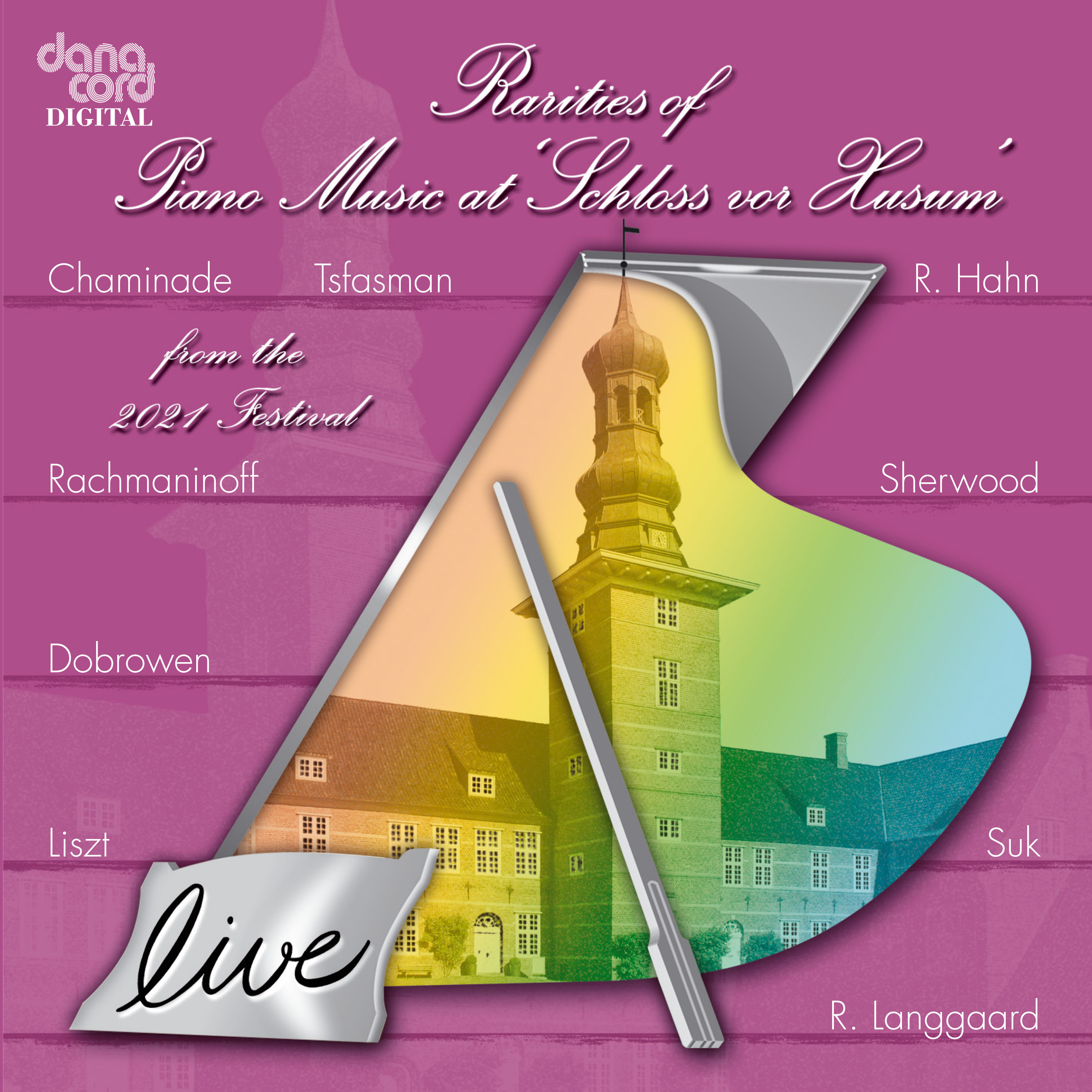
Rarieties of Piano Music at “Schloss vor Husum” from the 2021 Festival
$34.47
$61.01
Thomas Jensen Legacy, Vol. 15
$29.21
$41.77
J.P.E. Hartmann: Piano Works, Vol. 4
$13.96
$27.5
Emil Reesen as Conductor
$21.88
$30.41
J.P.E. Hartmann: Piano Works, Vol. 5
$27.17
$39.67
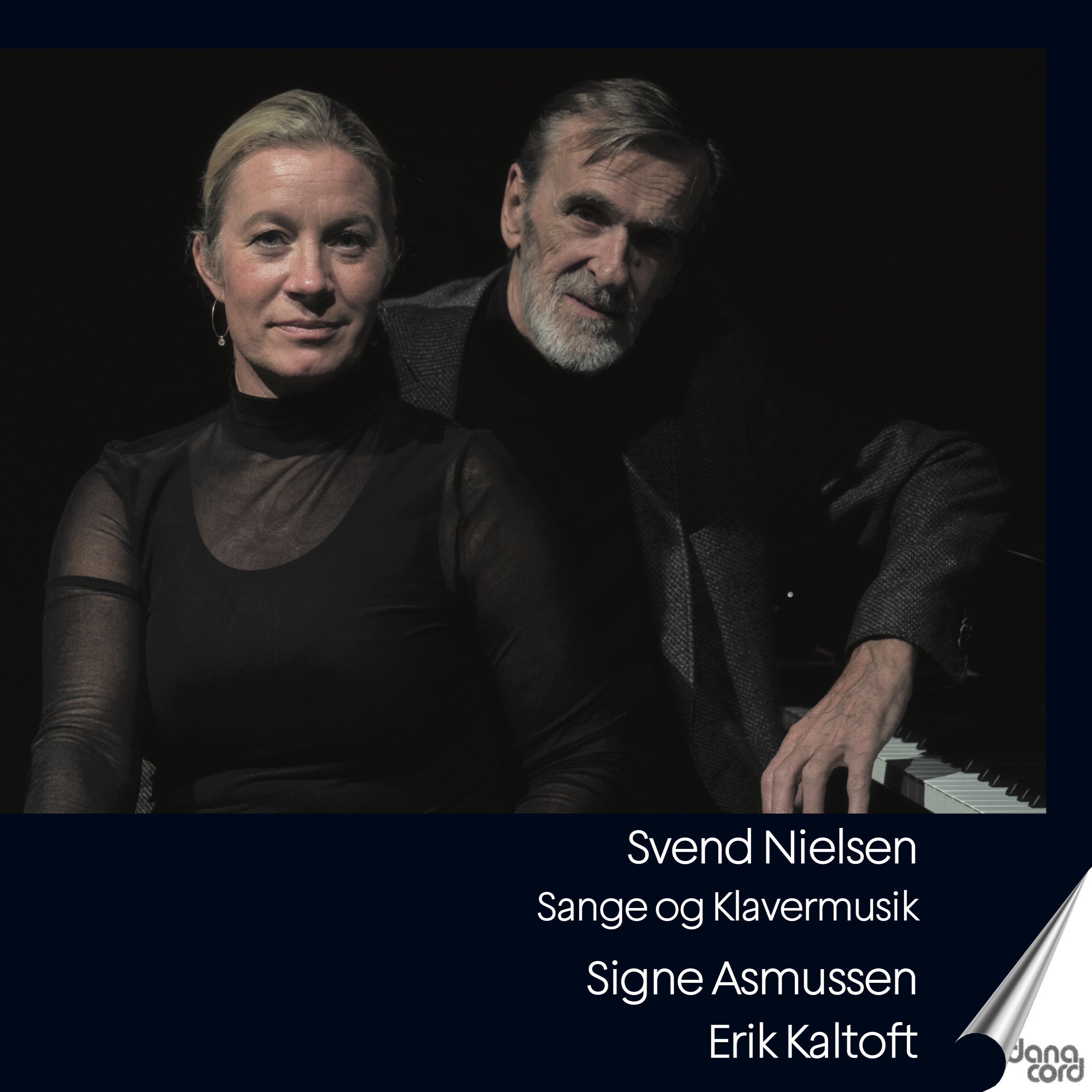
Songs and Piano Music by Svend Nielsen
$25.56
$31.95
Efterklange Vol. 1 – Works by Svend S. Schultz
$34.22
$63.65
Thomas Jensen Legacy, Vol. 20
$15.82
$28.16
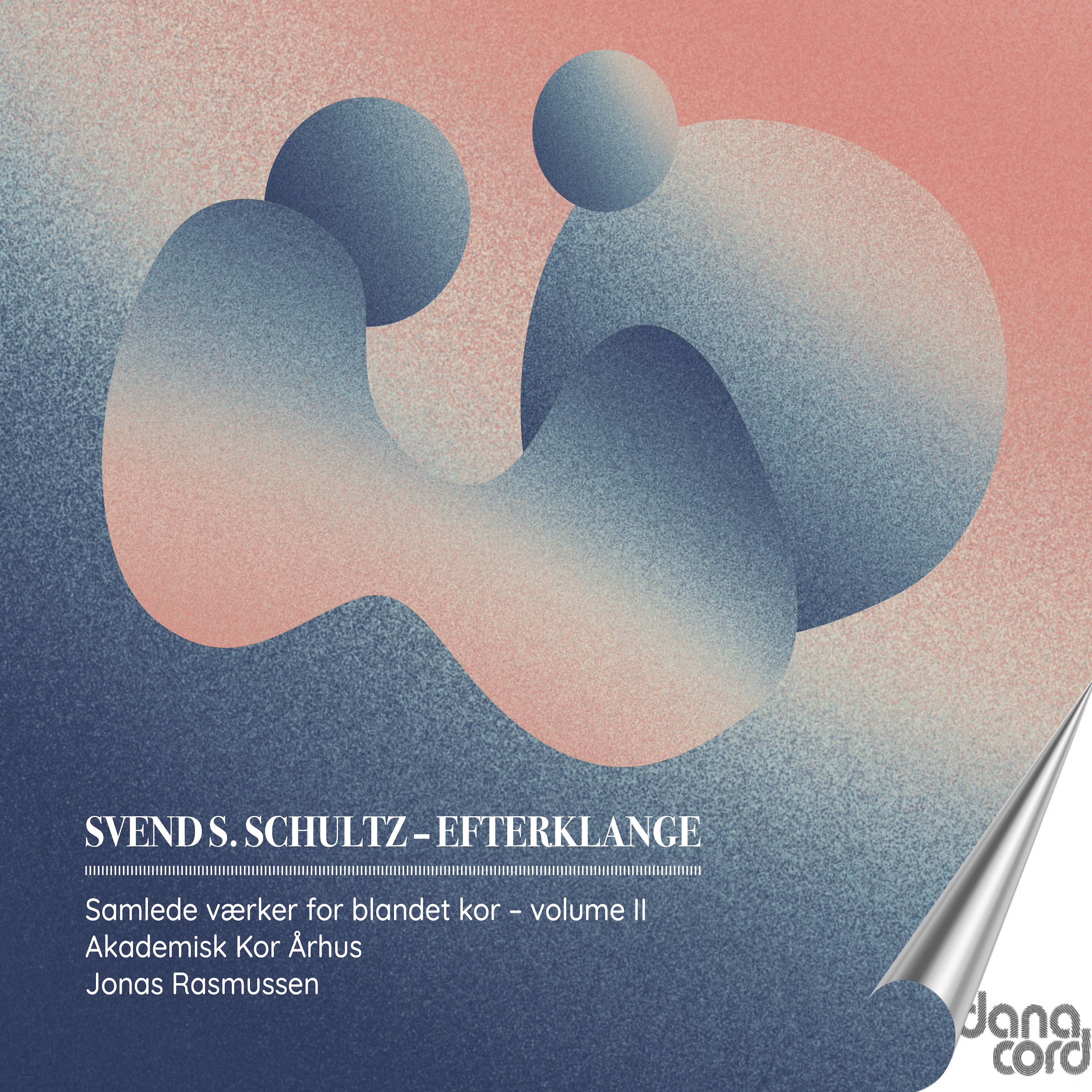
Efterklange Vol. 2 – Works by Svend S. Schultz
$27.6
$54.92
Anders Koppel: Chamber Music
$12.98
$25.44
Thomas Jensen Legacy, Vol. 16
$11.5
$20.82
Piano Works by Louis Glass, Vol. 1
$31.55
$53
For All Ages
$20.11
$38.01
The Great Organ of Aarhus Cathedral
$18
$23.94
The Forgotten Danish Pianist Arne Skjold Rasmussen
$22.54
$27.72
Thomas Jensen Legacy, Vol. 19
$13.75
$24.06