MADYCENTER.IT
≡
Ale
Plectra
Centre Channel Speakers
Loudspeakers
Other Composers
Robert Schumann & Johannes Brahms: Cello Works
Robert Schumann & Johannes Brahms: Cello Works
$34.99
$58.78
Review: MusicWebInternational Review: Classica Johannes Brahms Cello Sonata No. 1 in E Minor, Op. 38 1. I. Allegro non troppo 2. II. Allegretto quasi menuetto 3. III. Allegro Robert Schumann Adagio and Allegro in A flat major, Op. 70 4. I. Langsam, mit inniger Ausdruck 5. II. Sehr lebhaft 5 Stücke im Volkston, Op. 102 6. I. Mit Humor – Vanitas vanitatum 7. II. Langsam 8. III. Nicht schnell, mit viel Ton zu spielen 9. IV. Nicht zu rasch 10. V. Stark und markiert Fantasiestücke, Op. 73 11. I. Zart und mit Ausdruck 12. II. Lebhaft, leicht 13. III. Rasch und mit Feuer Brahms and the Cello © Unlike Schumann, who was composing in something of a frenzy, it took Brahms three years to complete his E minor sonata for cello and piano. It was the first time he had composed for the piano and another instrument and the new work was given the title ‘Sonate für Klavier und Violoncello’, (‘Sonata for Piano and Cello’). It had not been intended that the cello should take on the leading role, rather that both instruments should play in partnership. By allowing the cello line to inhabit the instrument’s deep and middle registers whilst the piano has the melody in one or both hands, a broadness of tone is created that has a symphonic quality. In the first published edition, the sonata consisted of four movements but a slow movement was subsequently taken out. This movement possibly reappeared in a revised form in the later F major sonata. The last movement of the E minor sonata was composed in 1865, the same year in which Brahms’ mother died. Brahms was very interested in older music and collected original early music manuscripts. He had been inspired by J. S. Bach’s Kunst der Fuge, (The Art of Fugue), and here the first movement’s main theme and the last movement’s fugal theme draw on ‘Contrapunctus 4’ and ‘Contrapunctus 13’ respectively. The darkness of the first movement with its weight and breadth can also bring to mind the opening movements of some of Brahms’ symphonies. The two powerful outer movements are bound together by a Minuet and Trio and this special construction is in itself associated with earlier music. The sonata is dedicated to Joseph Gänsbacher who was a patron and an enthusiastic amateur cellist. RELEASE DATE: APRIL 2020 CATALOGUE NUMBER: DACOCD 860 EAN: 5709499860007 Download BOOKLET (PDF) Related
Other Composers
Other Composers
The Great Danish Pianist Victor Schiøler, Vol. 6
$25.86
$43.7
Thomas Jensen Legacy, Vol. 17
$19.39
$28.7
Beethoven: Diabelli variations
$31.81
$45.17
Paul Juon, Max Bruch and Friedrich Wilhelm Voigt: Trios for Clarinet, Cello and Piano
$24.77
$44.34
Rarities of Piano Music at the Schloss vor Husum 2023, Vol. 37
$29.13
$42.82
Thomas Jensen Legacy, Vol. 22
$32.81
$42.32
Piano Works by Francis Poulenc
$23.19
$35.25
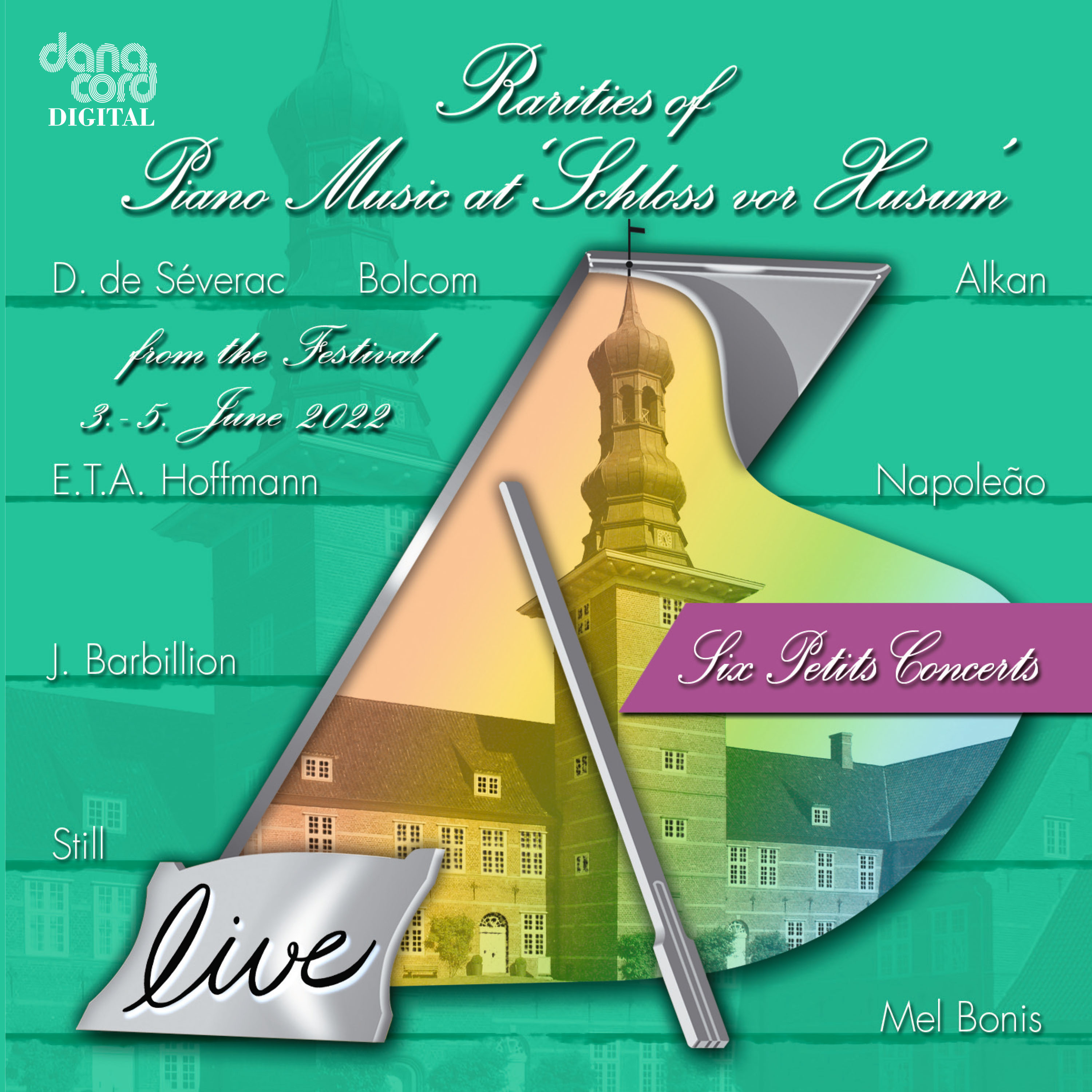
Rarities of Piano Music, Husum 2022, Vol. 35
$20.4
$33.25
Ludwig van Beethoven: The Late Piano Sonatas
$20.59
$35.83
Thomas Jensen Legacy, Vol. 18
$16.89
$30.57
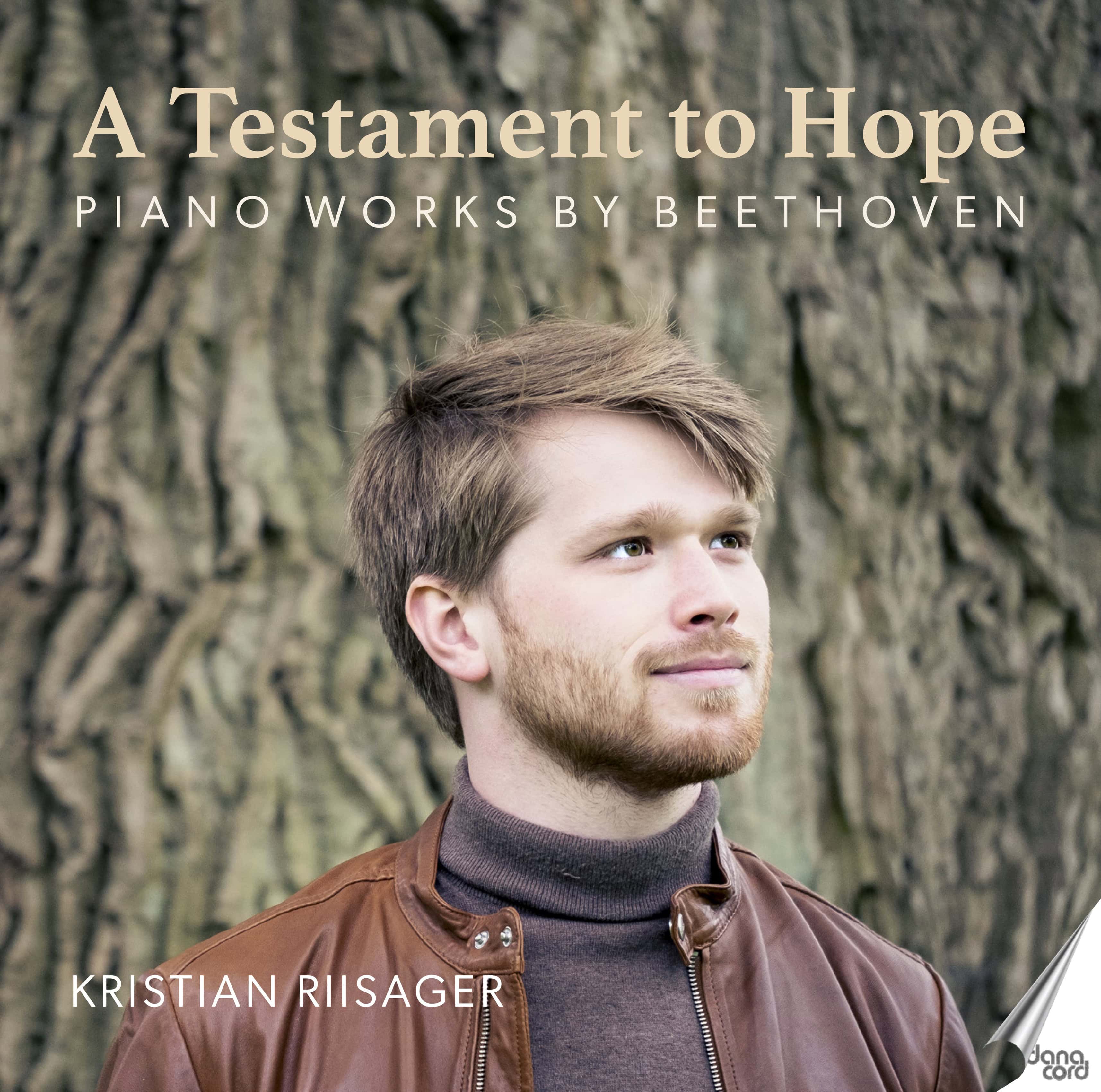
Kristian Riisager: A Testament to Hope
$14.36
$27.28
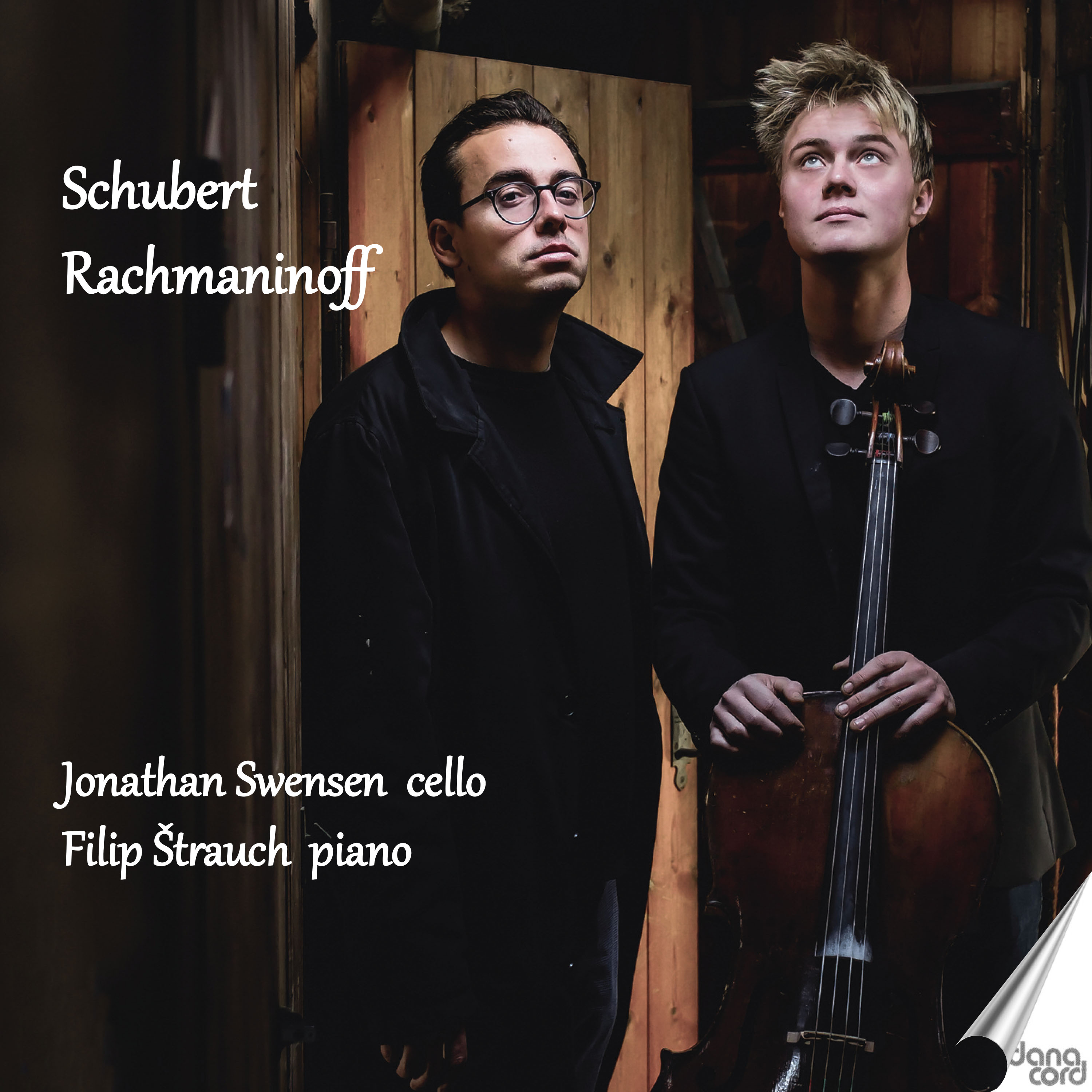
Schubert & Rachmaninoff
$27.15
$40.45
Anthology of American Music, Vol. 5
$18.77
$36.41
Violin Sonatas by Edvard Grieg
$16.06
$28.59
Kurt Atterberg: Concerto for Violin, Cello & Orchestra
$19.98
$31.57
Rarities of Piano Music at the Schloss vor Husum 2022, Vol. 36
$23.37
$42.77