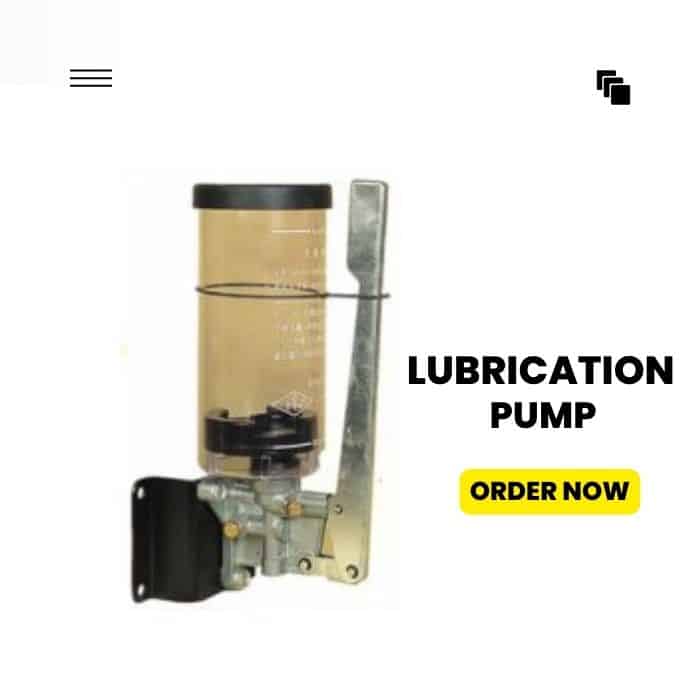
BEKA EP-170 Pump Element The BEKA EP-170 pump element is a fixed-output piston metering element for BEKA-MAX centralized lubrication pumps. It delivers a precise, factory-calibrated dose of 170 mm³ (0.17 cm³) per stroke — non-adjustable by design — ensuring consistent lubricant delivery to each connected bearing or lubrication point regardless of system back-pressure variation. Compatible with BEKA EP-1, EN1, and HP-1 electric pump units. The M20×1.5 thread is standard across these pump families, and the element accepts either 6mm or 8mm outlet tube connections. Rated working pressure 280 bar with an integrated pressure relief valve set at 280 bar to protect the distribution circuit under blocked-line conditions. Technical Specifications Parameter Specification Output per Stroke 170 mm³ (0.17 cm³) — fixed, factory-calibrated Rated Working Pressure 280 bar (4,061 PSI) Maximum Pressure 350 bar (short-duration peak) Integrated Relief Valve Setting 280 bar Thread Size M20×1.5 Outlet Tube Compatibility 6mm OD / 8mm OD Material Steel with zinc coating Surface Treatment Yellow chromate — corrosion protection per ISO 9227 Operating Temperature −35°C to 70°C Compatible Grease NLGI class 2 and below — no solid additives (graphite, MoS₂) Compatible Oil Mineral oil, minimum viscosity 40 mm²/s at operating temperature Compatible Pump Units BEKA EP-1, EN1, HP-1 Output Adjustability Non-adjustable — fixed at factory Why Fixed Output Matters Unlike adjustable metering elements, the EP-170 delivers the same 170 mm³ dose on every stroke regardless of operator input. This eliminates the two most common field errors in centralized lubrication maintenance: accidental re-adjustment during servicing and output drift from vibration loosening an adjustable element’s setting screw. In automated systems where lubrication cycle counts are logged by a PLC or controller, a fixed-output element allows accurate calculation of total lubricant consumed per period — useful for predictive maintenance scheduling and grease consumption auditing. The 170 mm³ output rate is suited to medium-sized bearing housings and pin-bushing interfaces that require a defined dose per lubrication cycle. For lubrication points requiring higher or lower doses, BEKA EP elements are available in other fixed output sizes — contact us with your bearing manufacturer’s recommended grease quantity per interval to confirm the correct element size. Typical Applications Manufacturing and production machinery: robotic assembly line wrist bearings and linear guides, metal forming press slide bearings, conveyor drive shaft housings, and packaging line cam followers where consistent dose delivery during unattended production shifts is critical. Construction and mining equipment: excavator boom and stick pin lubrication, bulldozer undercarriage components, mining truck suspension bearings, and crane slew ring lubrication points. The −35°C lower temperature limit covers cold-climate outdoor operation without requiring element substitution. Agricultural machinery: combine harvester header drive bearings, tractor linkage pins, and implement pivot points on machines using BEKA-MAX centralized lubrication. Industrial drives: conveyor gearbox output bearing housings, motor bearing lubrication ports, and rotating equipment where access for manual greasing is restricted by guarding. Replacement and Compatibility The EP-170 is a direct replacement element for BEKA EP-1, EN1, and HP-1 pump units. Before ordering, verify: Your pump model number — confirm it is one of EP-1, EN1, or HP-1; other BEKA pump families may use different element thread standards Your existing element’s output designation — the number following “EP-” indicates output in mm³ per stroke (EP-170 = 170 mm³). If your system was originally specified with a different output size (EP-100, EP-200, etc.), replacing with EP-170 will change the dose per cycle and lubrication interval calculations Outlet tube size in use — 6mm or 8mm; the EP-170 accepts both but you will need to specify or reuse the correct outlet compression fitting Installation Isolate the pump — switch off power and allow the pump to complete its current cycle before de-energising Release system pressure — open the manual bleed point or allow the relief valve to discharge before disconnecting any fittings Remove the existing element — unscrew counterclockwise from the M20×1.5 pump housing port; retain any sealing washers for inspection Clean the housing thread — remove residual thread sealant and inspect the housing port for damage or cross-threading Apply thread sealant — apply a thin, even layer of anaerobic thread sealant (medium strength) to the male thread of the new element; do not apply to the first two threads to avoid contaminating the grease passage Install the new element — thread in finger-tight, then tighten to the specified torque; do not over-tighten as this can distort the element body and affect the internal check valve function Reconnect the outlet tube compression fitting — verify the tube is fully seated before tightening Restore power and run two to three lubrication cycles — verify grease exits the outlet fitting and confirm no leakage at the element thread or tube connection Important: do not attempt to adjust the EP-170’s output — the element is factory-sealed and non-adjustable. Attempting to disassemble the element body will void the calibration and may render it unserviceable. Maintenance Inspect the element monthly for grease weeping from the thread joint or outlet fitting — early-stage leakage is usually correctable by checking fitting tightness before the element requires replacement Test outlet pressure every six months using a calibrated gauge at the element outlet port — pressure significantly below 280 bar at the point of delivery indicates wear in the internal piston or check valve Replace the element when output delivery becomes noticeably uneven across lubrication cycles, when outlet pressure has dropped more than 15% below rated, or when physical damage to the body or thread is observed Keep a minimum of two spare EP-170 elements in stock for each pump unit in service — element replacement is the most common maintenance intervention on BEKA pump systems and having spares on hand eliminates lubrication downtime FAQ What does “170” mean in EP-170? The number indicates the fixed output per stroke: 170 mm³ (0.17 cm³). BEKA EP elements are available in multiple fixed output sizes — the number after “EP-” always denotes the output in cubic millimetres per stroke. This designation is critical when ordering replacements: installing an EP element with a different output value changes the lubricant dose delivered per cycle and will affect your lubrication interval calculations. Is the EP-170 adjustable? No. The EP-170 is factory-calibrated and sealed at 170 mm³ per stroke. It cannot be adjusted in the field. This is intentional — the fixed output ensures consistent, repeatable delivery without risk of accidental or unauthorised adjustment. If your application requires a different output volume, BEKA EP elements are available in other fixed sizes; contact us with your required dose per cycle to confirm the correct part. What happens when system pressure exceeds 280 bar? The integrated pressure relief valve opens at 280 bar and redirects lubricant back to the pump reservoir rather than allowing pressure to build further. This protects both the element and the downstream distribution lines from overpressure damage caused by a blocked line, closed valve, or seized bearing housing. The relief valve reseals automatically when pressure drops below the set point. Which BEKA pump models is this element compatible with? The EP-170 is compatible with BEKA EP-1, EN1, and HP-1 electric pump units, all of which use the M20×1.5 element thread standard. It is not guaranteed to fit other BEKA pump families that use different housing thread specifications. If you are unsure of your pump model, check the nameplate on the pump body or contact us with the pump serial number for confirmation before ordering. Can I use NLGI 3 grease or grease with MoS₂ additives? NLGI 3 grease is not recommended — its higher consistency may not flow adequately through the element’s internal piston passages, particularly at low ambient temperatures, resulting in incomplete dose delivery. Greases containing solid additives such as molybdenum disulfide (MoS₂), graphite, or PTFE are not compatible — solid particles can block the internal check valve and cause the element to fail to seal between cycles, resulting in grease weeping from the outlet when the pump is at rest. Do I need the 6mm or 8mm outlet connection? Match the outlet connection to your existing distribution tube size. The EP-170 body accepts both 6mm and 8mm OD tube connections using the appropriate compression fitting. The pump element’s output (170 mm³/stroke) and pressure rating (280 bar) are identical regardless of which tube size is used — the choice is determined entirely by the tube diameter already installed in your system. How often should the EP-170 element be replaced? Service life depends on operating conditions, lubricant cleanliness, and duty cycle. Under normal conditions with clean, compatible grease and a correctly sized system, pump elements typically provide several years of service before output drift becomes measurable. Replace the element when: outlet pressure drops more than 15% below rated, grease delivery becomes visibly uneven across cycles, or physical damage to the element body is observed. Do not wait for complete element failure — a partially worn element delivers inconsistent doses that may not be immediately obvious but will result in under-lubricated bearing points over time. Ordering information: confirm your pump model (EP-1, EN1, or HP-1) and outlet tube size (6mm or 8mm) when ordering. Contact us for EXW Nanjing unit pricing, available stock quantity, and lead time on the BEKA EP-170 pump element. Related: Grease Pump hub — types, selection guides, and troubleshooting.